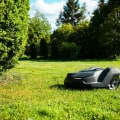
Every robotic lawn mower owner knows the joy of watching their mower glide effortlessly across the yard, leaving behind a perfectly manicured lawn. However, this bliss can quickly turn into frustration when you encounter charging problems that halt your mower's performance. Whether it’s a sudden refusal to charge, inconsistent battery life, or issues with the docking station, understanding how to troubleshoot these issues is essential for maintaining a seamless lawn care experience. In this article, we will delve into the common charging problems faced by robotic lawn mowers and provide you with effective solutions to get your mower back on track. From identifying potential causes to simple fixes that can save you time and money, we aim to equip you with the knowledge needed to tackle these challenges head-on.
So, if you’re tired of dealing with unexpected downtime and want to ensure your robotic assistant is always ready for action, keep reading as we explore the ins and outs of troubleshooting charging issues. Having a properly functioning charging system is crucial for the effective operation of robotic lawn mowers. These machines rely heavily on their ability to charge efficiently to maintain optimal performance, particularly in a country like New Zealand where the climate can vary widely. Issues with charging not only diminish the efficiency of these devices but can also lead to frustration among users who depend on them for lawn maintenance. Therefore, understanding the common types of charging problems is essential for every owner. One prevalent issue that users may encounter involves the docking station.
The docking station is responsible for ensuring that the mower returns correctly to charge after completing its tasks. Problems can arise if the docking station is not positioned correctly or is obstructed by debris. A simple check of the docking station's placement and cleaning it from any leaves or dirt can often resolve these issues. Additionally, if the docking station itself is malfunctioning, it may require troubleshooting or replacement. Another common source of charging problems lies within the battery itself.
Over time, batteries may lose their ability to hold a charge, especially if they are not maintained properly. Users should regularly check battery health indicators, if available, and consider replacing old batteries if they show signs of wear or reduced capacity. Furthermore, environmental factors such as New Zealand's humidity can affect battery performance; excessive moisture can corrode battery terminals and reduce efficiency. Power supply interruptions are yet another issue that users might face. Frequent power outages or fluctuations can prevent the mower from charging effectively.
It is advisable to use a surge protector to mitigate this risk and ensure a stable power supply to the docking station. Environmental factors specific to New Zealand also play a significant role in charging efficiency. For instance, high humidity levels can lead to condensation inside the mower or docking station, potentially causing electrical issues. Similarly, extreme temperature variations—common in certain regions—can affect battery performance and longevity. Users should take care to store their mowers in climate-controlled spaces when possible, particularly during harsh weather conditions. Moreover, different models of robotic lawn mowers may present unique charging issues.
For instance, some models might have proprietary charging systems that require specific maintenance protocols. While brands like Husqvarna and Gardena are well-regarded in New Zealand for their reliability, they can also exhibit model-specific quirks. For example, Husqvarna’s Automower series is known for its smart charging features but may require periodic software updates to function optimally. On the other hand, Gardena models might be more straightforward in terms of setup but lack advanced features that help with efficiency. For those who find themselves facing any of these issues, here are step-by-step troubleshooting techniques: First, check the docking station.
Ensure it is clean and free from obstructions; reposition it if necessary. If there are still problems, inspect all connections and ensure they are secure. Next, examine the battery; look for signs of wear or damage and consult the user manual for specific battery maintenance tips. If issues persist, consider testing the battery with a multimeter to check its voltage output. If power supply interruptions are suspected, test the outlet with another device to ensure it is functioning correctly.
If none of these solutions work, consulting customer service for your specific model might provide further insights. To prevent future charging problems, regular maintenance practices should be followed. Keeping the docking station clean and free of debris is paramount. Additionally, regularly inspecting batteries for corrosion or damage can prolong their lifespan significantly. Users should also ensure that their lawn mower is placed in an area where it will not be exposed to extreme weather conditions. There can be differing opinions on which brands offer better reliability regarding charging efficiency.
Some users swear by high-end models from manufacturers like Robomow, while others prefer more budget-friendly options such as Worx. Each brand has its pros and cons; therefore, prospective buyers should consider their specific lawn care needs and research user reviews before making a purchase. In conclusion, understanding and addressing charging problems is vital for maintaining the functionality of robotic lawn mowers in New Zealand's diverse climate. By being proactive about troubleshooting and maintenance, users can ensure their machines remain effective and efficient throughout their operational lifespan.
Customer Reviews and Model Comparisons
When it comes to dealing with charging problems in robotic lawn mowers, customer reviews provide valuable insights into the reliability and performance of various models available in New Zealand. Many users highlight the significance of a robust charging system, as it directly impacts the mower's efficiency and ability to handle diverse lawn care needs. For instance, models like the Husqvarna Automower 450X are frequently praised for their efficient charging capabilities.Customers report minimal issues with battery life and charging times, which is crucial for maintaining optimal performance, especially during New Zealand's varying weather conditions. On the other hand, some users of the Robomow RX20 have mentioned recurring charging issues that hinder their mowing experience. Feedback indicates that while the mower is effective in cutting grass, its inconsistent charging can lead to frustration, particularly for those with larger lawns that require longer operational times. Another popular model, the LawnMaster L10, receives mixed reviews. Some customers appreciate its affordability and decent performance but express concerns about its charging efficiency. Users have noted that frequent recharging is necessary, which can be a setback during peak growing seasons when consistent lawn care is essential. Overall, analyzing customer feedback reveals that while some models excel in maintaining a reliable charging system, others may require more attention and troubleshooting to address charging problems.
This highlights the importance of researching user experiences and comparing models to find the best fit for your lawn care needs in New Zealand.
Identifying Common Charging Issues
When it comes to maintaining your robotic lawn mower, understanding the charging problems that can arise is essential for ensuring optimal performance. Recognizing the symptoms of these issues can save you time and frustration. Here are some common signs that indicate a charging issue may be present. One of the first symptoms to look for is if the mower fails to start after being placed on its charging station. If the mower's battery is not charging, it may not respond at all when you attempt to activate it.Additionally, you should check for any warning lights or error messages on the mower's display panel, as these can provide valuable insight into the specific nature of the charging problem.Another indication of a charging issue can be observed if the mower operates for significantly shorter periods than usual. If your mower's battery drains quickly, it might suggest that the battery is not being charged properly or is nearing the end of its lifespan. In some cases, you may also notice that the mower does not return to its dock after completing a mowing session, which could point to a malfunction in the charging system.Furthermore, physical inspection can reveal additional clues. Check the charging contacts on both the mower and the docking station for dirt or debris, as this can hinder proper connectivity and result in charging problems.
Ensure that the charging station is plugged in and functioning correctly, as power outages or faulty connections could also lead to ineffective charging. By keeping an eye out for these symptoms, you can effectively identify common charging issues with your robotic lawn mower and take the necessary steps to resolve them, ensuring your mower remains ready for action in New Zealand's unique climate.
Troubleshooting Steps
When encountering charging problems with your robotic lawn mower, it is essential to follow a systematic approach to identify and resolve the issue. Here are step-by-step troubleshooting methods for various charging issues:1.Check the Power Source: Ensure that the charging station is plugged into a working electrical outlet. Test the outlet with another device to confirm it is providing power.2.Inspect the Charging Station:
Look for any visible damage or debris on the charging station. Clean the charging contacts on both the mower and the station to ensure a proper connection.3.Verify Battery Status:
Check the battery status indicator on your robotic lawn mower.If the battery is not holding a charge, it may need to be replaced. Refer to your user manual for specific battery care instructions.
4.Examine Charging Cables:
Inspect the charging cables for any signs of wear, fraying, or damage. Replace any damaged cables to ensure uninterrupted power transfer.5.Reset the Mower:
Sometimes, a simple reset can resolve charging issues. Follow the manufacturer’s instructions to reset your mower, which may help restore functionality.6.Update Firmware:
Ensure that your robotic lawn mower's firmware is up-to-date.Manufacturers often release updates that can fix bugs and improve performance, including charging-related issues.
7.Test in Different Conditions:
Weather conditions can affect charging efficiency. If possible, test the mower in different environments to determine if temperature or humidity is impacting its ability to charge. By systematically following these troubleshooting steps, you can effectively identify and resolve common charging issues, ensuring that your robotic lawn mower continues to operate efficiently in maintaining your lawn.Preventive Maintenance Tips
To ensure optimal performance of your robotic lawn mower, it is crucial to adopt preventive maintenance measures for the charging system. Regular upkeep not only prolongs the life of your device but also enhances its efficiency, especially given New Zealand's diverse climate. Here are some key tips to maintain the charging system effectively:1.Regularly Inspect Charging Connections: Periodically check the charging dock and the mower's connectors for any signs of dirt, corrosion, or damage.Clean the connections with a soft cloth to ensure a good electrical contact, which is essential for efficient charging.
2.Keep the Charging Station Clear:
Ensure that the area around the charging station is free from debris, grass clippings, and other obstructions. This will prevent the mower from having difficulty docking and charging properly.3.Monitor Battery Health:
The battery is a critical component of your robotic lawn mower’s charging system. Keep an eye on its performance; if you notice a significant decline in run time or frequent charging issues, it might be time to replace the battery.4.Update Software Regularly:
Manufacturers often release firmware updates that can improve charging efficiency and overall mower performance. Make it a habit to check for updates and install them as they become available.5.Store in Optimal Conditions:
If you live in an area with extreme temperatures, consider bringing your mower indoors during harsh weather conditions.Batteries perform best in moderate temperatures; extreme heat or cold can affect their ability to charge effectively.