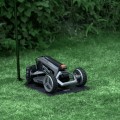
When it comes to achieving a pristine lawn, many homeowners envision lush green grass and perfectly manicured edges. However, before you can enjoy the beauty of your outdoor space, there are essential steps to take that will set the foundation for success. One often overlooked aspect of lawn care is the importance of clearing obstacles from the lawn. Whether it's fallen branches, rocks, or even toys left behind by children, these obstacles can hinder the growth and health of your grass while also complicating maintenance routines. In this article, we will explore the critical steps you need to take to prepare your lawn for optimal growth and maintenance.
From identifying potential hazards to creating an ideal environment for your grass to thrive, we will guide you through the process of ensuring that your lawn is not only beautiful but also easy to maintain. By understanding the significance of clearing your lawn, you will be well on your way to creating a space that both you and your family can enjoy for years to come. Join us as we delve into the essential practices that will transform your lawn into a stunning green oasis. Get ready to learn how simple actions can lead to remarkable results, making lawn care a breeze and allowing you to fully appreciate the outdoors right in your own backyard. The rise of robotic lawn mowers in New Zealand has revolutionized the way homeowners approach lawn care. These innovative machines offer numerous benefits, including time savings, consistent cutting, and the ability to maintain a pristine lawn with minimal effort.
As these devices gain popularity, it's essential to understand the different types available and how they can best serve your needs. In New Zealand, there is a variety of robotic lawn mowers that cater to different preferences and budgets. Entry-level models are typically priced affordably, making them ideal for first-time users or those with smaller yards. These basic units often feature limited battery life, usually around 60 to 90 minutes, and cutting widths of about 20-25 cm, which makes them suitable for small, flat lawns. Examples include brands like Gardena and Robomow, which offer reliable performance for basic needs. Mid-range options provide enhanced features and capabilities.
These mowers often have longer battery life, ranging from 90 minutes to two hours, and wider cutting paths of up to 30 cm, making them more efficient for medium-sized lawns. Additionally, they may include terrain adaptability features that allow them to navigate slopes and uneven surfaces better. Brands such as Husqvarna and Bosch offer excellent mid-range options that strike a balance between affordability and advanced features. For those with larger properties or specific landscaping challenges, high-end robotic lawn mowers are available at a premium price. These models come equipped with advanced technology, longer battery life (up to three hours), wider cutting widths (over 30 cm), and superior terrain adaptability, making them suitable for complex lawns with obstacles like flowerbeds or steep inclines.
Popular high-end models from manufacturers like Worx and Stihl provide exceptional performance for discerning homeowners. Regardless of the model you choose, one critical aspect remains constant: the importance of clearing obstacles from the lawn. Before deploying your robotic mower, ensure that you remove branches, garden toys, pet items, and any furniture that may impede its operation. Obstacles can lead to inefficient mowing patterns or even damage the mower itself. Ensuring a clear path allows the device to function optimally and reduces the likelihood of encountering issues during operation. When preparing for installation, setting up boundary wires is a vital step that determines the mowing area.
Boundary wires create an invisible fence that guides the mower within designated limits. For a standard rectangular yard, positioning the wire along the perimeter is straightforward; however, for more complex shapes, careful planning is required. Ensure the wire is placed at least 30 cm from any obstacles to prevent entanglement. Utilize stakes or pegs to secure the wire in place while configuring it according to your lawn's layout. Once the boundary is set, configuring your mower for different lawn sizes and shapes is essential.
Most modern robotic mowers come equipped with user-friendly interfaces that allow you to input specific settings tailored to your lawn's unique characteristics. This includes adjusting cutting height settings based on grass type and desired length. Some models even feature programmable schedules that enable you to set specific mowing times based on your preferences. Maintenance is also key to ensuring your robotic lawn mower operates efficiently over time. Regular cleaning of the mower's blades and body will prevent grass buildup that can affect performance.
Additionally, keeping software up-to-date ensures that your mower benefits from the latest improvements and features offered by the manufacturer. Most brands provide user manuals with troubleshooting sections addressing common issues such as connectivity problems or navigation errors. Addressing potential concerns about robotic mowers not handling certain terrains or obstacles effectively is crucial for homeowners considering this technology. While many modern models are designed to navigate various surfaces, including slopes and uneven ground, it’s important to research specific capabilities before purchasing. Reading reviews and testimonials from other users in New Zealand can provide valuable insights into how well certain models perform under local conditions. In conclusion, investing in a robotic lawn mower can significantly simplify lawn maintenance while ensuring a beautiful yard year-round.
By understanding the various types available in New Zealand—ranging from entry-level to high-end options—and recognizing the importance of clearing obstacles from the lawn, you can maximize your mower's performance. Proper installation and ongoing maintenance will further enhance your experience, allowing you to enjoy all the benefits this technology brings.
Customer Reviews and Recommendations
As robotic lawn mowers continue to gain traction among homeowners in New Zealand, customer reviews play a crucial role in helping potential buyers make informed decisions. Many users have shared their experiences with various models, highlighting both the advantages and challenges associated with these innovative machines. One common theme among customer reviews is the effectiveness of robotic lawn mowers in managing lawns with diverse terrains. For instance, users with sloped yards have noted that certain models perform exceptionally well, navigating inclines with ease.Reviews often mention specific brands that are particularly effective at cutting grass evenly on uneven surfaces, which is a common scenario in many New Zealand gardens. Additionally, feedback frequently points out the importance of clearing obstacles from the lawn prior to operating these machines. Homeowners have reported that models equipped with advanced obstacle detection technologies can avoid larger items, but smaller debris like branches or children's toys can still pose a risk. To maximize the mower's efficiency and longevity, many users recommend setting aside time for regular yard maintenance to keep the area clear. Another noteworthy aspect of customer recommendations is the varying battery life and charging times across different models. Some users emphasize the importance of selecting a model that can handle their lawn size without interruption.
Reviews often compare battery performance under New Zealand's unique weather conditions, noting that some mowers may struggle during periods of heavy rain or extreme heat. Overall, customer insights provide valuable guidance for prospective buyers in New Zealand, shedding light on how to choose the right robotic lawn mower tailored to their specific needs. By considering these reviews and recommendations, homeowners can simplify their lawn care routines while ensuring their outdoor spaces remain pristine.
Maintenance Best Practices
To ensure your robotic lawn mower operates at peak efficiency, it is crucial to establish a routine for maintenance tasks. Regular upkeep not only extends the lifespan of your mower but also enhances its performance in tackling the unique challenges posed by New Zealand’s climate and terrain. One of the first tasks to consider is cleaning the mower after each use. Grass clippings, dirt, and debris can accumulate on the blades and undercarriage, potentially affecting the mower's cutting ability.A gentle wipe-down with a damp cloth or a soft brush can help maintain cleanliness and efficiency. Next, check the blades regularly. Dull or damaged blades can lead to uneven cuts and stress the motor. Sharpening or replacing the blades as needed will ensure a pristine lawn and reduce the workload on the mower. Battery care is another essential aspect of maintenance. Ensure that the battery is regularly charged and inspect it for any signs of wear or damage.
Proper battery maintenance helps prevent unexpected shutdowns during operation and prolongs battery life. Finally, keep an eye on the sensors and navigation system. These components are vital for the mower's ability to navigate around obstacles effectively. Regularly checking for any obstructions or dirt buildup will help maintain optimal functionality. By incorporating these routine maintenance tasks into your lawn care regimen, you can enjoy the full benefits of your robotic lawn mower while ensuring a well-maintained lawn.
Importance of Clearing Obstacles
Clearing obstacles from the lawn is a critical step in ensuring the optimal performance of robotic lawn mowers. These advanced machines are designed to operate efficiently and effectively, but their performance can be significantly hindered by various objects on the lawn. First and foremost, removing obstacles such as branches, stones, and toys is essential to prevent damage to the mower.Robotic mowers rely on sensors to navigate; however, large or unexpected obstacles can confuse these systems, leading to potential collisions that may cause malfunctions or even irreparable harm. Moreover, when obstacles are cleared, the mower can maintain a consistent cutting height and pattern. This not only ensures an even cut but also promotes healthier grass growth by allowing sunlight and nutrients to reach the soil more effectively. Additionally, a well-prepared lawn minimizes the risk of operational interruptions. If a robotic mower encounters obstacles, it may stop functioning or require manual intervention to resume its task. This can lead to increased maintenance time and a less efficient mowing process. In summary, prioritizing the clearing of obstacles from the lawn is vital for maximizing the performance of robotic lawn mowers.
By taking this simple yet essential step, homeowners can enjoy a smoother mowing experience and keep their lawns looking pristine with minimal effort.
Types of Robotic Lawn Mowers Available
As the trend of adopting robotic lawn mowers gains momentum in New Zealand, it's essential to understand the types of robotic lawn mowers available and their unique features that cater to the diverse lawn conditions across the country.1.Entry-Level Models
: These are perfect for smaller lawns and typically come with basic features such as manual control, limited cutting heights, and simple navigation systems. They are budget-friendly and ideal for homeowners looking to experience the benefits of robotic mowing without a significant financial investment.2.Mid-Range Models
: Offering more advanced features like programmable schedules, better navigation systems, and enhanced cutting capabilities, mid-range models are suitable for medium-sized lawns. They often include sensors that help them navigate around obstacles and uneven terrain, which is particularly useful in New Zealand's varied landscapes.3.High-End Models
: These models are equipped with cutting-edge technology such as GPS navigation, smartphone connectivity, and advanced obstacle detection systems. They can handle larger areas efficiently and are designed to manage complex lawn layouts.High-end robotic mowers can adapt to different grass types and growth patterns, making them a valuable investment for homeowners with larger properties.4.
Specialty Mowers
: Some manufacturers offer robotic mowers specifically designed for unique lawn challenges, such as steep slopes or thick vegetation. These models often come with enhanced traction and powerful motors to tackle challenging terrains typical in many parts of New Zealand. When selecting a robotic lawn mower, consider your lawn's size, the presence of obstacles, and the specific features that will best meet your maintenance needs. Understanding the various models available can significantly simplify your decision-making process.Installation Tips for Your Robot Mower
Preparing your lawn for the installation of a robotic lawn mower is crucial to ensure optimal performance and longevity of the device. Here are some essential steps to follow:1.Clear Obstacles from the Lawn: Begin by walking through your yard and identifying any objects that may hinder the robot mower's operation.This includes toys, garden hoses, furniture, and branches. Clearing these obstacles will not only protect your mower but also create a safe environment for it to navigate.
2.Assess Your Lawn's Terrain:
Take note of any uneven ground, slopes, or dips in your lawn. If you have areas that are particularly steep or tricky, consider leveling them out or marking them as no-go zones for your robotic mower.3.Trim Overgrown Grass:
Before installation, it’s advisable to trim any overgrown grass or weeds. A well-maintained lawn ensures that the mower can operate efficiently without struggling through tall or thick patches.4.Install Boundary Wires:
Most robotic mowers require boundary wires to define their mowing area.Follow the manufacturer's instructions to lay these wires around the perimeter of your lawn, ensuring they are securely anchored and avoiding sharp corners that could confuse the robot.
5.Test the Mower's Functionality:
Once everything is in place, conduct a test run of your robotic lawn mower. Monitor its performance and make adjustments as necessary, such as moving boundary wires or re-evaluating obstacles. By following these steps, you can prepare your lawn effectively for the installation of a robotic mower, ensuring a pristine and well-maintained outdoor space with minimal effort. In conclusion, robotic lawn mowers offer a revolutionary way to maintain your lawn, providing homeowners in New Zealand with a solution that saves time and effort. However, to fully harness the advantages of this technology, it is crucial to prioritize clearing obstacles from the lawn prior to installation. This preparation ensures that your robotic mower can operate efficiently and effectively, navigating your unique landscape without hindrance. By investing in a robotic lawn mower, you can transform your lawn care routine into a streamlined, hassle-free experience.We encourage you to reflect on your current lawn care practices and consider how this innovative technology could enhance your gardening efforts. We invite you to share your experiences or pose any questions regarding your specific lawn care needs, as we believe that together we can create a thriving outdoor space.