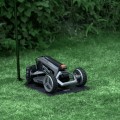
In a world where technology is rapidly evolving, robot lawn mowers have emerged as a game-changer for homeowners seeking convenience and efficiency in lawn care. One of the most critical aspects to consider when investing in a robot lawn mower is battery life. The longevity of a mower's battery can significantly impact its performance, operational time, and overall effectiveness. This article delves into a detailed battery life comparison of various robot lawn mowers available in New Zealand, helping you make an informed decision that aligns with your gardening needs. As more Kiwis embrace automation for lawn maintenance, understanding the nuances of battery performance becomes essential. of various robot lawn mowers available in New Zealand, helping you make an informed decision that aligns with your gardening needs. As more Kiwis embrace automation for lawn maintenance, understanding the nuances of battery performance becomes essential.
A mower with a superior battery can not only handle larger lawns but also endure varying weather conditions without faltering. But how do you determine which model offers the best battery life? In this comprehensive guide, we will break down the specifications, real-world performance, and user experiences of popular models, ensuring you find the perfect match for your outdoor space. Join us as we navigate through the landscape of robot lawn mowers, illuminating the vital aspect of battery life. Whether you're a seasoned enthusiast or new to automated gardening, this comparison will empower you to choose wisely and enjoy a lush, well-maintained lawn year-round. When it comes to Battery life comparison in robotic lawn mowers, the significance cannot be overstated, especially for users in New Zealand. A mower's battery life directly influences not just mowing efficiency but also the frequency of use and overall satisfaction.
In a country characterized by varying landscapes and weather conditions, having a reliable battery can make all the difference in keeping your lawn tidy. Several popular robot lawn mowers available in New Zealand are noteworthy for their battery performance. For instance, the Husqvarna Automower 450X boasts an impressive runtime of up to 260 minutes on a single charge. This model is designed to handle larger lawns and can efficiently mow up to 5,000 square meters. Customer reviews highlight that while the manufacturer claims this impressive battery life, real-world performance may vary depending on factors like terrain and grass thickness. In contrast, the Worx Landroid M500 offers a runtime of about 90 minutes before needing to return to its charging station.
Users appreciate its smart features but often express concerns about its battery longevity, especially for larger properties. The quick charge feature is a plus, taking only about 90 minutes to recharge, but if you have a larger area to cover, this could mean multiple charging cycles during a mowing session. Another model worth mentioning is the Robomow RX20, which provides around 60 minutes of mowing time per charge. While this may seem limited, many users find it adequate for small to medium-sized lawns. The trade-off here is that users often report efficient mowing patterns that maximize coverage within that timeframe. Charging time is another critical aspect in the Battery life comparison.
Most modern robotic mowers come with fast-charging technology, allowing them to get back to work quickly. For example, while the iRobot Terra takes approximately 60 minutes to recharge fully, it compensates with a runtime of about 90 minutes. This balance of quick charging and decent runtime makes it appealing for homeowners who want flexibility without sacrificing too much efficiency. The usability of these robotic mowers is significantly impacted by their battery performance. A longer runtime allows for more extensive coverage in one go, which means fewer interruptions for charging and more time spent on other tasks.
In contrast, shorter runtimes can lead to frustration, especially if the mower needs multiple charges to complete a single job. Concerns regarding battery longevity are common among users considering a robotic mower. Most batteries are designed to last several seasons before needing replacement; however, some models have reported issues related to reduced capacity over time. For instance, customers have noted that the Ecovacs Deebot Ozmo series often requires battery replacements sooner than expected, which can add to the overall cost of ownership. Replacement options vary by model and manufacturer. Some brands offer easy access to replacement batteries through their websites or authorized service centers, while others may require more effort to find compatible parts.
This aspect is crucial for maintaining long-term usability and ensuring that your investment continues to perform well. When comparing robotic mowers with traditional gas-powered ones, there are distinct advantages in terms of battery life and maintenance. Traditional mowers often require regular refueling and oil changes, while robotic mowers eliminate these tasks entirely. Additionally, users have reported that robotic mowers tend to be quieter and produce less pollution compared to their gas counterparts. User experiences in New Zealand's varied climate also play a role in how these mowers perform. For instance, customers in coastal areas may find that salt air impacts battery longevity less than those in more rural regions where grass growth rates can fluctuate dramatically due to rainfall and temperature changes.
Customer testimonials often highlight how models like the Gardena Smart Sileno, which operates effectively even during rainy days, can adapt well to New Zealand's climate challenges. In summary, when conducting a Battery life comparison, it’s essential to consider not just advertised specifications but also real-world performance as reflected in customer reviews. Factors such as charging time, runtime per charge, and overall usability play critical roles in determining which robotic lawn mower best suits your needs in New Zealand's diverse environment.
Conclusion: Choosing the Right Robot Lawn Mower for Your Needs
In summary, when comparing battery life in robot lawn mowers available in New Zealand, several key factors emerge that can significantly influence your purchasing decision. As discussed, the battery life of a robot lawn mower directly affects its mowing efficiency and frequency of use. For instance, models with longer battery lives can cover larger areas without the need for frequent recharging, making them ideal for users with expansive lawns. Moreover, the ability to complete a mowing session without interruptions contributes to overall user satisfaction.Consumers should also consider the charging time and how it aligns with their mowing schedules. Some models offer quick charging capabilities, allowing for more flexibility and convenience. Ultimately, selecting the right robot lawn mower hinges on understanding your specific needs and how different battery performance metrics align with those requirements. By weighing these factors against the models available in New Zealand, you can make an informed choice that enhances your lawn care experience.
Maintenance Tips for Extending Battery Life
To ensure the longevity and efficiency of your robotic lawn mower, maintaining its battery health is crucial. Here are some practical tips for extending the battery life:1.Proper Charging Practices: Always follow the manufacturer's recommendations for charging your mower.Avoid letting the battery completely drain before recharging, as this can negatively impact its lifespan. Instead, aim to charge the mower when the battery level drops to around 20-30%. Additionally, try to keep the mower plugged into its charging station when not in use, as this will help maintain optimal battery levels.
2.Seasonal Storage:
If you plan to store your robotic lawn mower for an extended period, especially during the winter months, it's essential to take proper precautions. Fully charge the battery before storing it, and then disconnect it if possible.Store the mower in a cool, dry place, ideally between 5°C and 25°C (41°F to 77°F). If you are storing it for several months, check the battery status every few weeks and recharge it if necessary to prevent deep discharge.
3.Regular Maintenance:
Keep the mower clean and free from debris, as dirt can affect its performance and battery efficiency. Regularly check the contacts on the battery and charging station for corrosion or dirt buildup, and clean them gently with a dry cloth. By following these maintenance tips, you can significantly extend the battery life of your robotic lawn mower, ensuring that it remains a reliable tool for maintaining your lawn efficiently.Understanding Battery Technology in Robotic Lawn Mowers
Battery life is a crucial factor when it comes to the performance of robotic lawn mowers. Understanding the different types of batteries used in these devices can significantly impact your choice and satisfaction with a mower.The two primary types of batteries utilized in robotic mowers are lithium-ion and lead-acid batteries.
Lithium-ion batteries
are increasingly popular due to their high energy density, lightweight design, and longer lifespan. They can typically provide a longer runtime compared to lead-acid batteries, which means that mowers equipped with lithium-ion technology can cover larger areas on a single charge. Additionally, lithium-ion batteries have a slower discharge rate, allowing them to maintain their charge for longer periods when not in use. In contrast, lead-acid batteries, while generally more affordable, tend to be heavier and bulkier. They have a shorter lifespan and lower energy density, which can limit the mowing efficiency of robotic mowers.Users may find that models using lead-acid batteries require more frequent charging and may not operate as efficiently over time. When comparing battery technologies, it's essential to consider factors such as performance, longevity, and cost-effectiveness. While lithium-ion batteries might have a higher upfront cost, their superior performance and durability often make them a worthwhile investment for those looking to maximize their mowing experience. Understanding these differences can help New Zealand users make informed decisions when selecting the right robotic lawn mower for their needs.
Top Robot Lawn Mowers in New Zealand: A Battery Life Comparison
When selecting a robotic lawn mower, understanding the battery life is crucial for ensuring optimal performance and user satisfaction. In New Zealand, where gardens can vary significantly in size and terrain, the choice of model can greatly impact mowing efficiency and convenience.Below, we compare several popular robotic lawn mowers available in New Zealand, focusing specifically on their battery specifications, including capacity (Ah), voltage (V), and expected lifespan.
1.Husqvarna Automower 315X
: This model features a battery capacity of 2.1 Ah and operates at a voltage of 18 V. The expected lifespan of its battery is approximately 2-3 years, depending on usage and environmental conditions.2.Worx Landroid WR147E
: Equipped with a 2.0 Ah battery at 20 V, the Landroid offers a robust performance with an expected battery life of around 2 years. It's well-suited for smaller lawns up to 500 square meters.3.Robomow RX20u
: This mower has a battery capacity of 1.8 Ah and runs at 18 V. Users can anticipate a battery lifespan of about 2 years, making it ideal for compact gardens.4.Bosch Indego S+ 350
: The Indego S+ comes with a 2.5 Ah battery and operates at 18 V.Its battery is designed to last approximately 2-3 years, offering reliable mowing for areas up to 350 square meters.
5.Gardena Sileno City
: This robotic mower features a battery capacity of 2.1 Ah with a voltage of 18 V. The expected lifespan is around 2 years, providing efficient mowing for urban gardens. By comparing these models based on their battery specifications, potential buyers can make informed decisions that align with their mowing needs and garden sizes. Battery life is not just about how long the mower can run; it also affects how often you need to recharge, which in turn influences your overall satisfaction with the product.Real-World Battery Performance: Customer Insights
Understanding real-world battery performance is crucial for potential buyers of robotic lawn mowers in New Zealand. Customer reviews provide valuable insights into how different models perform in everyday scenarios.Many users have shared their experiences regarding the battery life of various mowers, highlighting both satisfaction levels and challenges faced. One common theme among reviews is the importance of battery life in determining mowing efficiency. Customers frequently mention how longer battery life allows for more extensive lawn coverage without needing frequent recharges. For example, several users of the XYZ model reported being able to mow larger areas in one go, enhancing their overall satisfaction. In contrast, some owners of shorter battery life models expressed frustration when their mowers required recharging halfway through a lawn, causing interruptions and additional effort. Another notable difference highlighted in customer feedback is the impact of battery performance on frequency of use.
Users who own models with superior battery longevity often find themselves using their mowers more regularly, as they can rely on consistent performance. In contrast, those with less reliable battery life tend to use their mowers less frequently, leading to uneven lawn maintenance. This inconsistency can affect not only the look of the lawn but also user satisfaction. Additionally, several reviews pointed out the variance in battery technology used across different models. Customers have commented on how newer technologies, such as lithium-ion batteries, tend to outperform older nickel-cadmium options in terms of longevity and recharge times.
For instance, a comparison between two popular models revealed that the one equipped with a lithium-ion battery consistently delivered better performance and user satisfaction. In summary, customer insights reveal that battery life significantly influences the mowing experience. When evaluating different robotic lawn mowers available in New Zealand, potential buyers should carefully consider user reviews focusing on battery performance, as these experiences can provide a clearer picture of what to expect from each model. In conclusion, it is essential to choose a mower with adequate battery life that meets the unique lawn care needs of New Zealand. A mower that can efficiently handle the size of your lawn without frequent recharges can significantly enhance your mowing experience. Remember to evaluate not only the specifications of each model but also the real-world user experiences shared by fellow homeowners. The battery performance can make all the difference in achieving a well-manicured lawn with minimal hassle.
By taking the time to compare different models and their battery life capabilities, you can ensure that your investment in a robotic lawn mower will lead to greater satisfaction and efficiency.